
Punjab, the “Land of Five Rivers,” is the beating heart of Pakistan. It is the richest province in terms of history, culture, heritage, agriculture, and industry, making it a must-visit destination for both local and international tourists. The name Punjab comes from the Persian words “Punj” (five) and “Ab” (water) — referring to the five major rivers: Sutlej, Beas, Ravi, Chenab, and Jhelum.
With over 70 million people (almost half of Pakistan’s total population), Punjab is the most populous province, blending centuries-old traditions with modern vibrance. From ancient civilizations and Mughal architecture to colorful festivals and bustling bazaars, Punjab offers an unforgettable travel experience.
🏞 Geography & Landscape of Punjab
Punjab is a land of contrasts where nature, history, and agriculture coexist:
- 🌵 Cholistan Desert – rolling sand dunes, camel safaris, and the historic Derawar Fort.
- 🌾 Fertile Plains – the agricultural hub producing wheat, rice, cotton, sugarcane, and maize.
- 🏔 Pothohar Plateau & Salt Range – home to the Khewra Salt Mines (the world’s second largest) and the ancient temples of Katas Raj.
- 🌲 Foothills of the Himalayas – pine-covered hills and valleys that add to Punjab’s diverse natural beauty.
Punjab has the most organized irrigation system in Pakistan, making it the breadbasket of the country. Its rich soil has supported civilizations for thousands of years.
📜 History of Punjab – From Indus Valley to Pakistan Movement
Punjab’s history spans over 5,000 years, making it one of the most historically rich regions in the world.
- 🏛 Indus Valley Civilization – Harappa, located in Punjab, was one of the world’s earliest planned urban centers.
- ⚔️ Aryans & Alexander the Great – invaders and settlers shaped Punjab’s early cultural mix.
- 🕌 Islamic Conquests – Muhammad Bin Qasim, Mahmood Ghaznavi, and later Muslim dynasties expanded Islam and trade here.
- 🌸 Mughal Era – Lahore became a Mughal capital with masterpieces like Badshahi Mosque, Lahore Fort, Shalimar Gardens, and Jahangir’s Tomb.
- ✡ Sikh Heritage – Guru Nanak, the founder of Sikhism, was born near Lahore. Later, Maharaja Ranjit Singh ruled Punjab with Lahore as his capital.
- 🇬🇧 British Period – the British annexed Punjab in 1849, leaving behind colonial architecture, railways, and canals.
- 🇵🇰 Pakistan Movement – the Lahore Resolution of 1940, passed at Minto Park (now Iqbal Park), paved the way for the creation of Pakistan.
🎭 Culture & People of Punjab
Punjab’s culture is one of the most vibrant in Pakistan, characterized by hospitality, music, art, and cuisine.
- 👨🌾 Rural Lifestyle – most Punjabis live in villages, with mud and clay houses, farming traditions, and Persian wheels (Rahat) still in use.
- 🎶 Music & Dance – bhangra, dhol beats, and sufi qawwalis dominate festivals and weddings.
- 🍲 Cuisine – Punjab is famous for butter chicken, kebabs, haleem, makki di roti & sarson da saag, lassi, and halwa puri breakfasts.
- 🎉 Festivals – Basant (kite flying), Urs festivals at Sufi shrines, and village fairs attract both locals and tourists.
- 🕌 Religious Harmony – Sufi shrines, Sikh gurdwaras, Hindu temples, and historic mosques showcase Punjab’s diverse spiritual heritage.
🌟 Major Tourist Attractions in Punjab
📍 Lahore – The Cultural Capital of Pakistan
- Badshahi Mosque (1673) – one of the world’s largest mosques.
- Lahore Fort & Shalimar Gardens – UNESCO World Heritage Sites.
- Wagah Border – daily flag-lowering ceremony between Pakistan and India.
- Lahore Museum & Shahi Qila – rich Mughal and colonial artifacts.
- Food Street & Anarkali Bazaar – heaven for food lovers.
📍 Multan – City of Saints
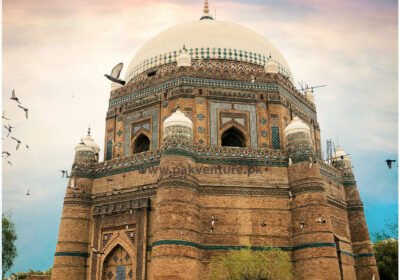
- Mausoleum of Shah Rukn-e-Alam.
- Multani sweets and blue pottery.
- Historical bazaars and Sufi shrines.
📍 Taxila & Harappa – Ancient Civilizations
- Taxila: Gandhara Buddhist ruins and museums.
- Harappa: Archaeological remains of the Indus Valley Civilization.
📍 Other Must-See Places
- Faisalabad – hub of textile industry.
- Rawalpindi & Islamabad outskirts – access to Murree and Himalayan foothills.
- Cholistan Desert Jeep Rally – thrilling off-road adventure.
🚐 Why Visit Punjab?
Punjab offers a complete travel experience:
- Ancient history and archaeology (Harappa, Taxila).
- Mughal architecture and heritage (Lahore Fort, Shalimar Gardens).
- Spiritual tourism (Sufi shrines, Sikh gurdwaras, Hindu temples).
- Adventure (Salt Range trekking, Cholistan desert safari).
- Food and cultural immersion.
Whether you are a history buff, nature lover, foodie, or adventure seeker, Punjab is a destination that has it all.
🧳 Travel Tips for Tourists Visiting Punjab
- Best time to visit: October to March (pleasant weather).
- Dress modestly, especially when visiting religious sites.
- Learn a few Punjabi/Urdu phrases — locals love it when foreigners try!
- Always carry cash as small towns may not have digital payment options.
- Stay hydrated during summer months (temperatures can exceed 40°C).